KIUC Business Hours: Monday - Friday, 8 a.m. - 4 p.m. (excluding holidays)

King Kalākaua Meets Edison: Electricity in Hawaiʻi
By Jan TenBruggencate, Board of Directors
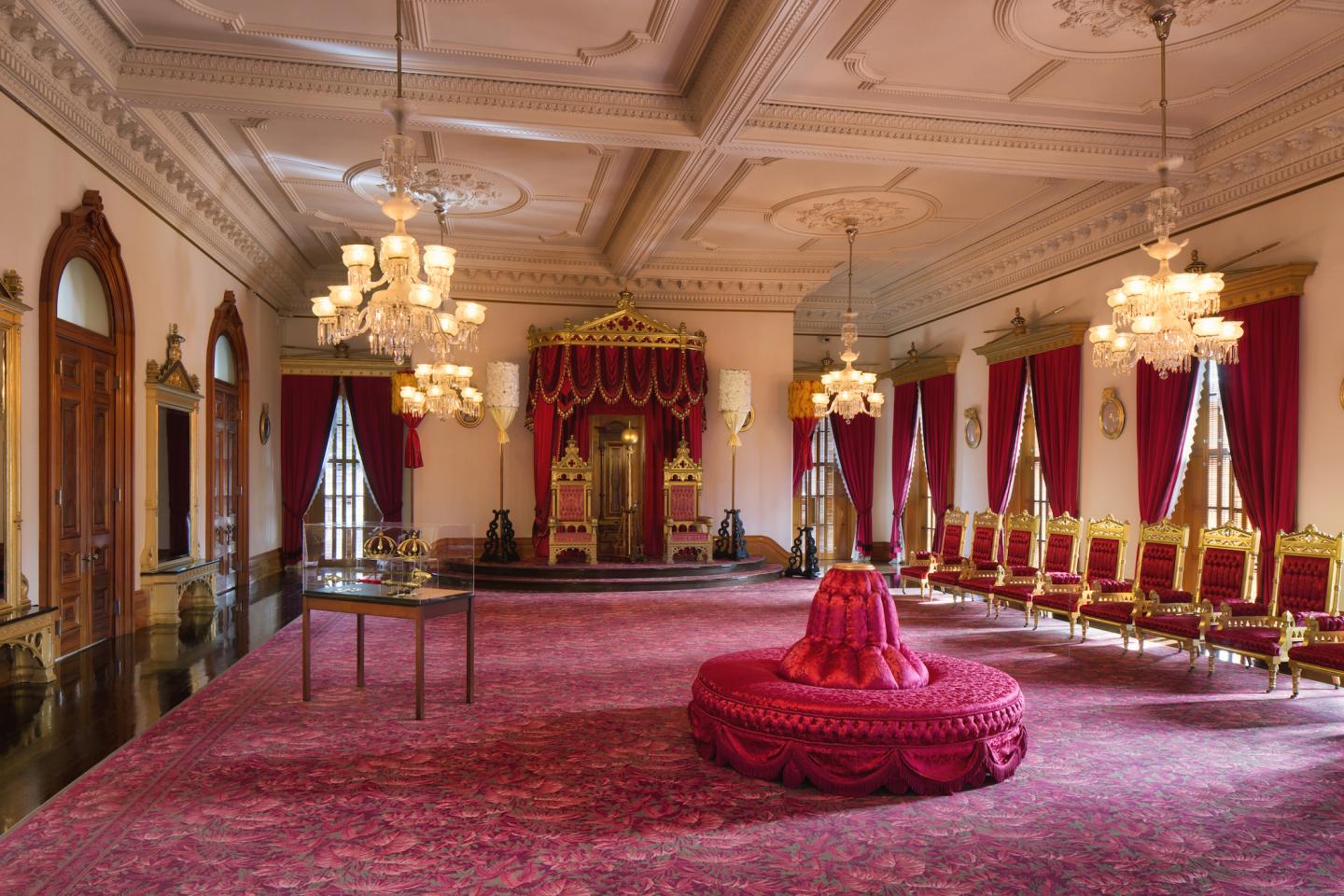
Hawai‘i embraced the electrical age with surprising speed, illuminating ‘Iolani Palace four years before the U.S. White House did.
This early adoption was sparked by a Sept. 25, 1881, meeting in New York between King Kalākaua and Thomas Edison at Edison Electric Light Co. near the end of Kalākaua's famous world tour as the first reigning monarch to circumnavigate the planet. The king was so impressed by Edison's vision that he returned to the Islands determined to bring Edison's illuminating technology to his kingdom.
‘Iolani, the Hawaiian royal palace, was electrified for the first time July 21, 1886, as a demonstration. Kalākaua authorized the installation of a small steam engine in the basement. The palace was wired for lights, and they were turned on June 1, 1887.
The next step was hydroelectric power generated from a 10-horsepower and a 45-horsepower generator in Nu‘uanu Stream. These small hydro plants were fed by water in about 7,000 feet of wood-stave pipe. The facility was called Nuʻuanu Government Electric Light Station, and was funded by a $35,000 appropriation by the Hawai‘i Legislature. In 1888, Princess Ka‘iulani threw the switch that powered streetlights in Honolulu. By 1890, nearly 800 Honolulu homes had power.
A few cities on the mainland got street lighting earlier than Hawai‘i, but Honolulu was among early adopters.
Oddly, while there was electric power in Washington, D.C., as early as 1882, the White House wasn't electrified until 1891, four years after ‘Iolani Palace. Edison supplied the generator in the basement of the White House that lit that building and a neighboring office building.
President Benjamin Harrison was afraid to touch the light switches for fear of getting electrocuted—he let the staff turn on the lights. The royalty of Hawai‘i was much more comfortable with technology than the president of the United States.
The Hawaiian sugar industry was key to the further growth of electrical installation in the islands, initially using steam engines to power generators. On Kaua‘i and other islands, they first lit the sugar mills, then ran wires out to planation residences near the mills. Eventually, those lines extended to other communities.
The growing demand for electrical service drove the development of new sources of power. The plantations started using electrical power generated from steam—often created by burning sugar fiber called bagasse—and then moved to coal, diesel and other fossil fuels. But following the Nu‘uanu example, hydroelectric power also developed across the archipelago.
Hydropower came to Kaua‘i in 1906. That's when contractors built the Wainiha hydroelectric plant for Alexander & Baldwin. The Wainiha plant continues to provide power to the Kaua‘i electrical grid 120 years later.
By 1910, Līhu‘e Plantation had built two smaller hydro plants Photo credit: The Friends of ‘Iolani Palace on Waiahi Stream and, in subsequent years, other plantations set up water-powered generators. Gay & Robinson is now the island's biggest supplier of hydroelectric power, with a hydro plant using water from its Olokele Ditch. To this day, hydro is a small but important component of KIUC's renewable energy mix.
Photo credit: The Friends of ‘Iolani Palace
The Kingdom of Hawaiʻi was ahead of its time with the integration of electricity at ʻIolani Palace. ʻIolani Palace underwent a retrofit in 2017 and now uses energy-efficient LED lights throughout the palace.
Pictured: The Grand Staircase.
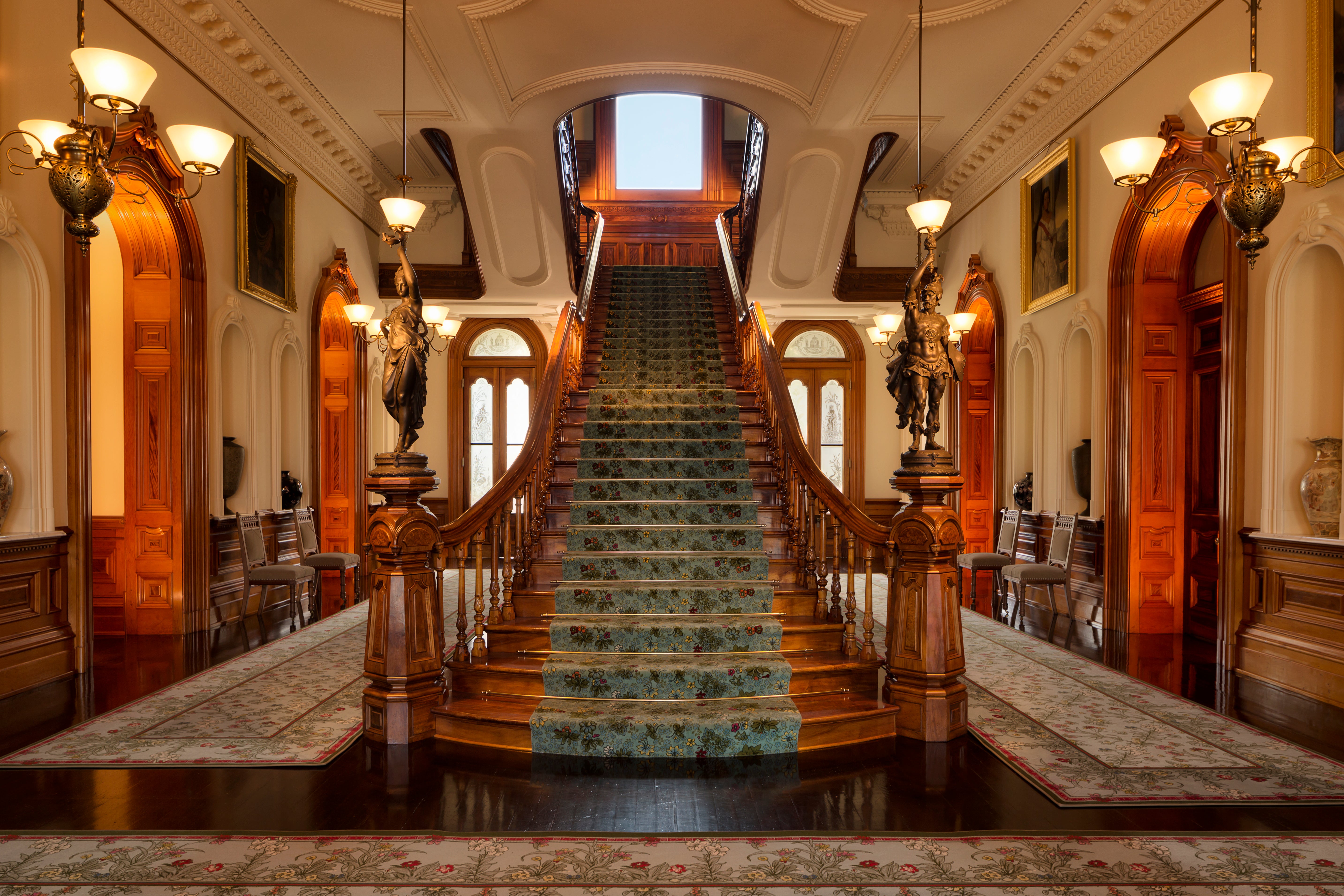
Caption: The Grand Staircase.
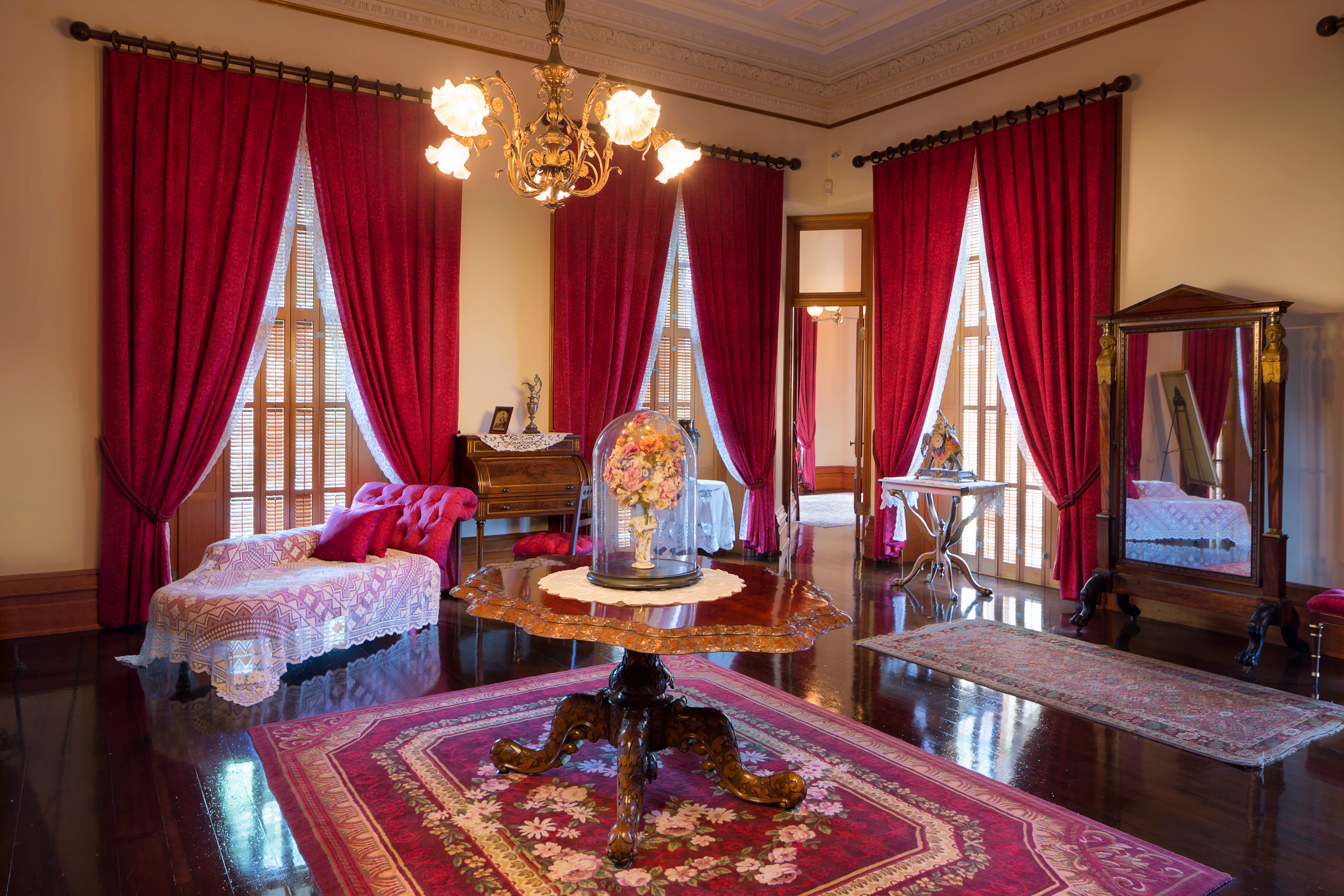
Caption: The Queen's Bedroom.